Bad habits examples: 45 common ones and the swap for each
Forty-five bad habits people actually have, grouped by area, each with the need it is quietly meeting and the swap that meets the same need with less damage. A habit you only try to remove comes back. A habit you replace does not.
The replacement rule
Every bad habit in this list persists because it does something for you: kills boredom, calms a nerve, fills a gap, avoids a task. Willpower alone fights the behaviour and ignores the need, which is why it fails on the first tired evening. The swap column below is a behaviour that meets the same need with a smaller cost. Put the swap in your tracker as a habit to build. Do not put “stop X” in a tracker; you cannot tick a thing you did not do.
Phone and attention
| Bad habit | What it gives you | Swap |
|---|---|---|
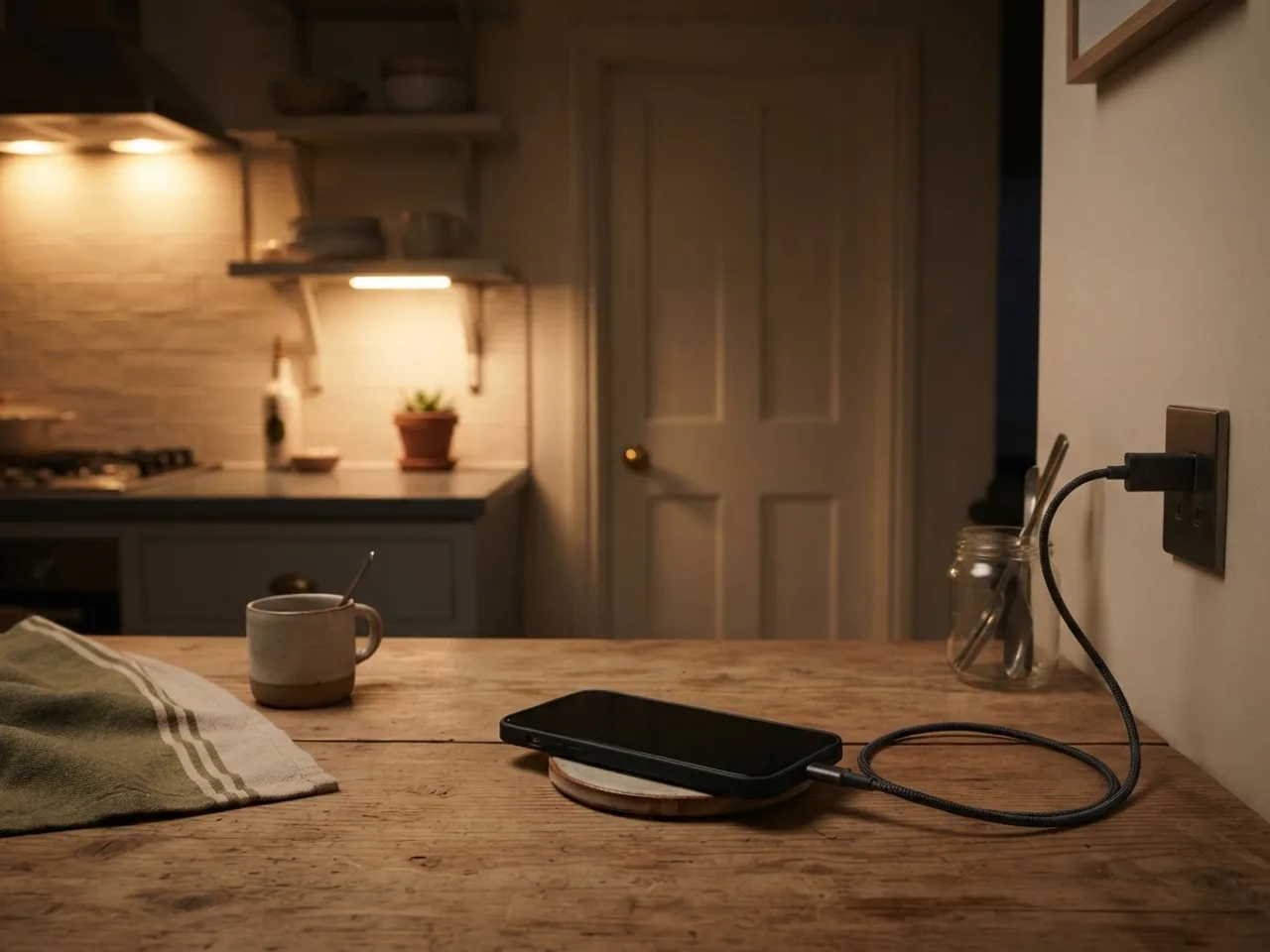
| Phone in bed | Wind-down, avoidance of sleep | Book on the nightstand, phone charges in the kitchen |
| Checking the phone on waking | A hit of novelty before the day starts | Glass of water first, then phone |
| Scrolling in every idle moment | Boredom relief | One podcast or article queued for waits |
| Notifications on for everything | Feeling in the loop | Notifications on for people only |
| Multiple tabs, no finishing | Avoidance of the hard task | One tab, 25-minute timer |
| Checking email constantly | Control, small wins | Two email windows a day |
| Binge-watching | Decompression | One episode, then a walk |
| Doomscrolling news | The illusion of being informed | One news summary in the morning |
Sleep
| Bad habit | What it gives you | Swap |
|---|---|---|
| Going to bed at a different time every night | Freedom, “one more thing” | Fixed wake time, let bedtime follow |
| Snoozing | Ten more minutes | Alarm across the room, one alarm only |
| Caffeine after 2 pm | Afternoon lift | Walk or water after lunch, coffee before noon |
| Screens until lights out | Wind-down | Screen-free 30 minutes, dim lights |
| Eating late | Comfort | Kitchen closed at 8, herbal tea if hungry |
Food and body
| Bad habit | What it gives you | Swap |
|---|---|---|
| Skipping breakfast then overeating | Time in the morning | Something small prepared the night before |
| Snacking while working | Break, stimulation | Water bottle on the desk, fruit if hungry |
| Sugar after dinner | Reward for the day | Brush teeth right after dinner |
| Eating standing up | Speed | Sit, even for five minutes |
| Soda with meals | Habit, fizz | Sparkling water |
| Skipping meals then bingeing | Control, then loss of it | Three planned meals, tracked as one habit |
| Not drinking water | Nothing, it is just forgotten | Glass with each meal |
| Sitting all day | Focus | Stand or walk every hour, tracked |
Money
| Bad habit | What it gives you | Swap |
|---|---|---|
| Impulse purchases | A small thrill | 48-hour cart rule |
| Daily takeaway coffee | Ritual | Same ritual at home, tracked |
| Unused subscriptions | Nothing | Monthly review, cancel one |
| Not checking the balance | Avoiding bad news | Look once a day, it takes ten seconds |
| Buy now, pay later | Now | Savings transfer first, buy after |
| Ordering delivery when tired | Rest | One easy meal always in the freezer |

Work and focus
| Bad habit | What it gives you | Swap |
|---|---|---|
| Starting the day with the inbox | Feeling productive | One real task before email |
| Saying yes to everything | Being liked | 24-hour delay on any yes |
| Procrastinating the hard task | Comfort | Two-minute version of the task, first thing |
| Working through lunch | Feeling dedicated | 20 minutes away from the desk, tracked |
| Never finishing | Avoiding judgement | Ship something small weekly |
| Perfectionism on small things | Control | Time-box: 30 minutes, then done |
| Working late every night | Catching up | Hard stop, tracked as a habit |
Social and self
| Bad habit | What it gives you | Swap |
|---|---|---|
| Interrupting | Getting the thought out | Count to two after they stop |
| Complaining | Bonding, venting | One complaint, one proposed fix |
| Cancelling plans last minute | Relief | Say no earlier, or go for one hour |
| Negative self-talk | Familiar | Write the thought down, then the evidence against it |
| Nail biting | Stress relief, hands busy | Fidget object in the pocket |
| Swearing at drivers | Release | Radio up, deep breath, it is still a release |
| Gossip | Bonding | Ask about the person’s week instead |
| Comparing yourself online | Motivation, in theory | Unfollow ten accounts today |
| Alcohol to unwind every night | Marking the end of the day | Different drink, same glass, same time |
| Smoking or vaping | Break, nicotine | Track days since, plan the breaks without it |
Why the list is grouped by what the habit gives you
Most lists of bad habits are grouped by category and stop there. That is a list, not a plan. The useful grouping is by the need underneath, because habits that meet the same need can be swapped for each other, and habits that meet different needs cannot.
| Need | Habits that meet it | Swap that meets it more cheaply |
|---|---|---|
| Boredom relief | Scrolling, snacking, TV | A queued podcast, a walk, a puzzle |
| Avoidance of a hard task | Email, tidying, “research” | The two-minute version of the task |
| Wind-down | Phone in bed, a drink, late food | Book, shower, herbal tea, same time |
| Control | Checking the balance every hour, perfectionism | One scheduled check, a time-box |
| Bonding | Gossip, complaining, drinking together | Asking a real question, a shared activity |
| Stimulation | Caffeine, sugar, news | Movement, cold water, daylight |
When a swap does not stick, the usual reason is that it meets a different need than the one the bad habit was meeting. Scrolling in bed is a wind-down habit; replacing it with a workout fails because a workout is stimulation. Replace it with a book.
The cue matters more than the habit
Every habit in the tables has a cue: a time, a place, a feeling, or a preceding action. Nail biting has a feeling cue (stress). Phone in bed has a place cue (the bed) and a time cue (lights out). Impulse purchases have an emotional cue (a bad day) and a place cue (the app on the home screen).
You cannot remove a cue like stress or bedtime. You can change the environment so the cue leads somewhere else: the phone charges in the kitchen, the shopping app is deleted, the biscuits are not in the house. Environment changes work on the first day; willpower works until the first tired evening. Do the environment change first and the tracking second.
What breaking a habit actually looks like
It is not a clean line from every day to never. The realistic shape, from people who have done it:
- Week one: the urge is loud and frequent. Counting days helps because the number is the only visible progress.
- Weeks two to three: urges drop sharply, then one bad day brings the habit back once. This is the point where most people declare failure and stop counting. Do not. One slip after two weeks is a slip, not a reset.
- Weeks four to eight: the cue still fires occasionally (the bed, the stress) but the response has changed. This is where the swap habit starts to feel automatic.
- After two months: the old habit only returns when the environment returns: a holiday, a hotel room with the phone on the nightstand, a stressful week. Expect that and plan for it rather than being surprised.
A days-since counter that resets to zero after one slip punishes step two, which is exactly when you need encouragement. Count the days, note the slip, keep counting.
How to actually use this
- Pick one. The one that damages sleep first, because sleep breaks everything else.
- Write the swap into your tracker as a positive habit. “Book in bed”, not “no phone”.
- Remove the cue where you can. The phone charging in another room does more than any amount of resolve.
- Count the days since. A visible number makes the first slip feel expensive, which is what you want.
- Expect the urge to come back at the two-week mark and again around week six. Both are normal.
Frequently asked questions
What is the most common bad habit?
Phone use in bed and mindless scrolling, by a distance. They are the default behaviour of any idle moment, and they get in the way of the habits people most want to build: sleep, reading, and being present.
How long does it take to break a bad habit?
There is no fixed number. The urge fades over weeks when the cue is removed, and can come back in a day when the cue returns. Counting days since the last time helps; the days since calculator is built for that.
Should I break bad habits one at a time?
Yes. Each one takes real attention for a few weeks. Two at once halves the attention and usually loses both. Pick the one with the biggest downstream effect, often sleep-related, and start there.
Is it better to break a bad habit or build a good one?
Build the good one, aimed at the same moment. 'Read in bed' is easier to keep than 'no phone in bed', and it removes the phone anyway.