
66-day habit calculator
Enter the day you started. The calculator shows which day you are on, the date day 66 lands, and the milestones between, so you know how far along you are instead of guessing.
🆓 Free, no sign-up ⚡ Runs in your browser 🔒 Nothing leaves your device
Pick the day you started, or today if you are starting now.
What the number actually means
Sixty-six is a median, not a deadline. In the study, participants rated each day how automatic the behaviour felt. Simple habits (drinking a glass of water after breakfast) plateaued in around three weeks. Effortful ones (50 sit-ups after morning coffee) were still climbing at the end of the 84-day study window. The 66-day figure is the middle of that spread.
| Habit type | Typical time to feel automatic |
|---|---|
| Tiny, attached to a strong cue (water after breakfast) | 18 to 30 days |
| Moderate, needs some effort (10 minutes of stretching) | 40 to 90 days |
| Demanding (a workout, a long walk) | 90 days to well beyond |
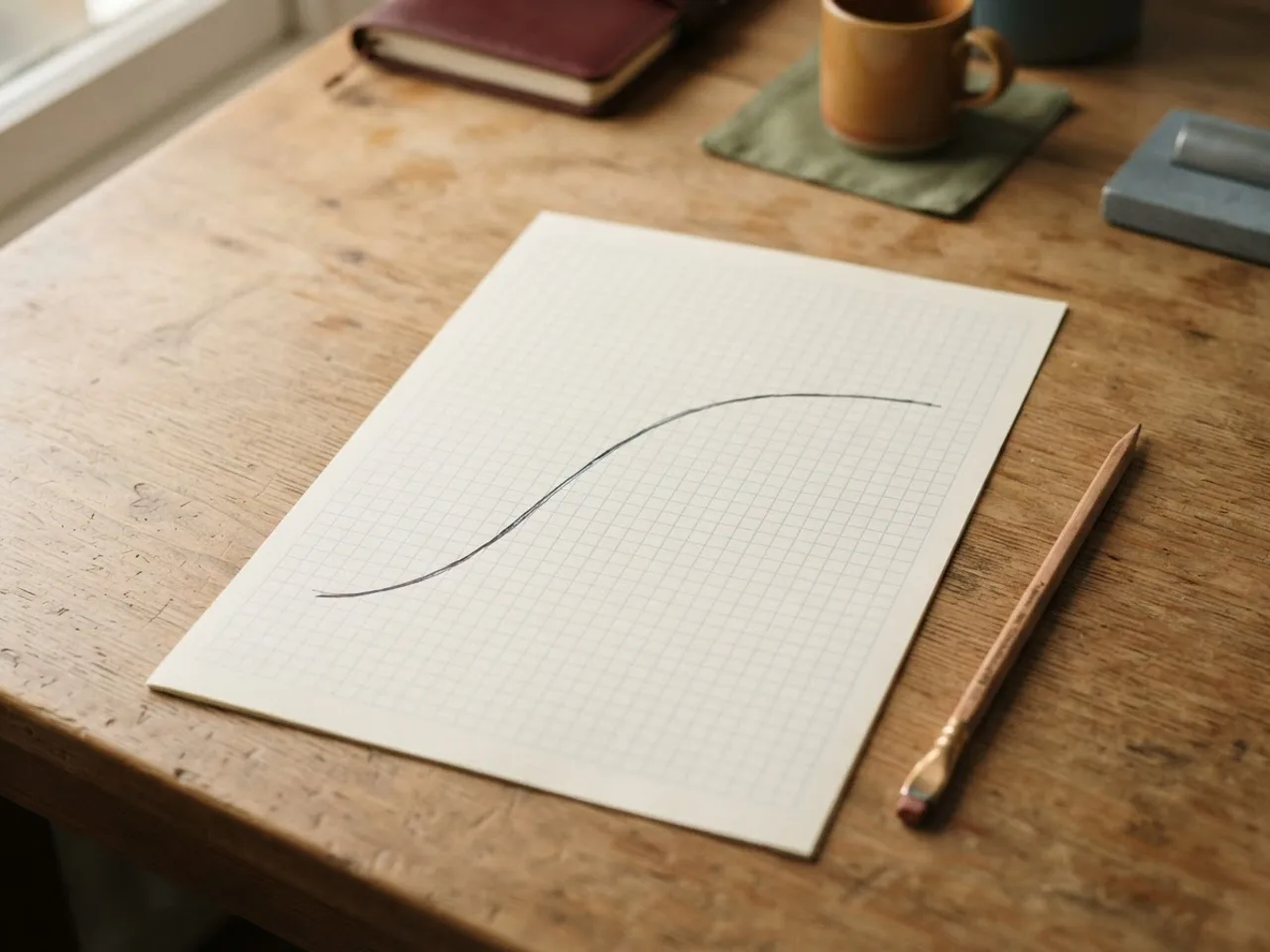
The useful lesson is not the exact figure. It is that habits form on a curve that flattens. Early days feel hard and the effort drops steadily, which means the second month is easier than the first even before the habit is fully automatic.
How to use the milestone dates
- Day 7. Novelty is gone and the habit is now a chore. This is where most attempts end. Knowing it is a known dip helps.
- Day 18. The fastest habits in the study were automatic here. If yours is a small one, you may already notice you no longer decide to do it.
- Day 33. Halfway to the median. A good day to make the habit slightly bigger if you started tiny.
- Day 45. Anecdotally, people who reach here almost always reach 66. The graph has flattened.
- Day 66. The median. Not a finish line; the behaviour will keep getting easier, but you can stop tracking it if you want to.
Missed days
Lally’s team looked at this specifically. One missed day, then straight back to it: no effect on the outcome. A missed week: a real setback. The rule that follows is the one every serious tracker uses: never miss twice. A tracker that resets your count to zero after one miss is punishing the wrong thing.
Making the days easier, not just counting them
The count on this page is a measurement, not a method. The three things that shorten the number of days for real, from the same body of research:
- Same cue every time. A habit tied to “after breakfast” forms faster than one tied to “in the morning”. The cue is what becomes automatic, not the behaviour.
- Smaller behaviour. The water-after-breakfast habits in the study formed in weeks; the sit-up habits were still forming at day 84. Start with the size that takes two minutes and grow it once the cue fires on its own.
- No gaps longer than a day. One miss is nothing. Two in a row is where the curve stalls. A tracker that shows the gap is worth having for that reason alone.
Tracking the 66 days
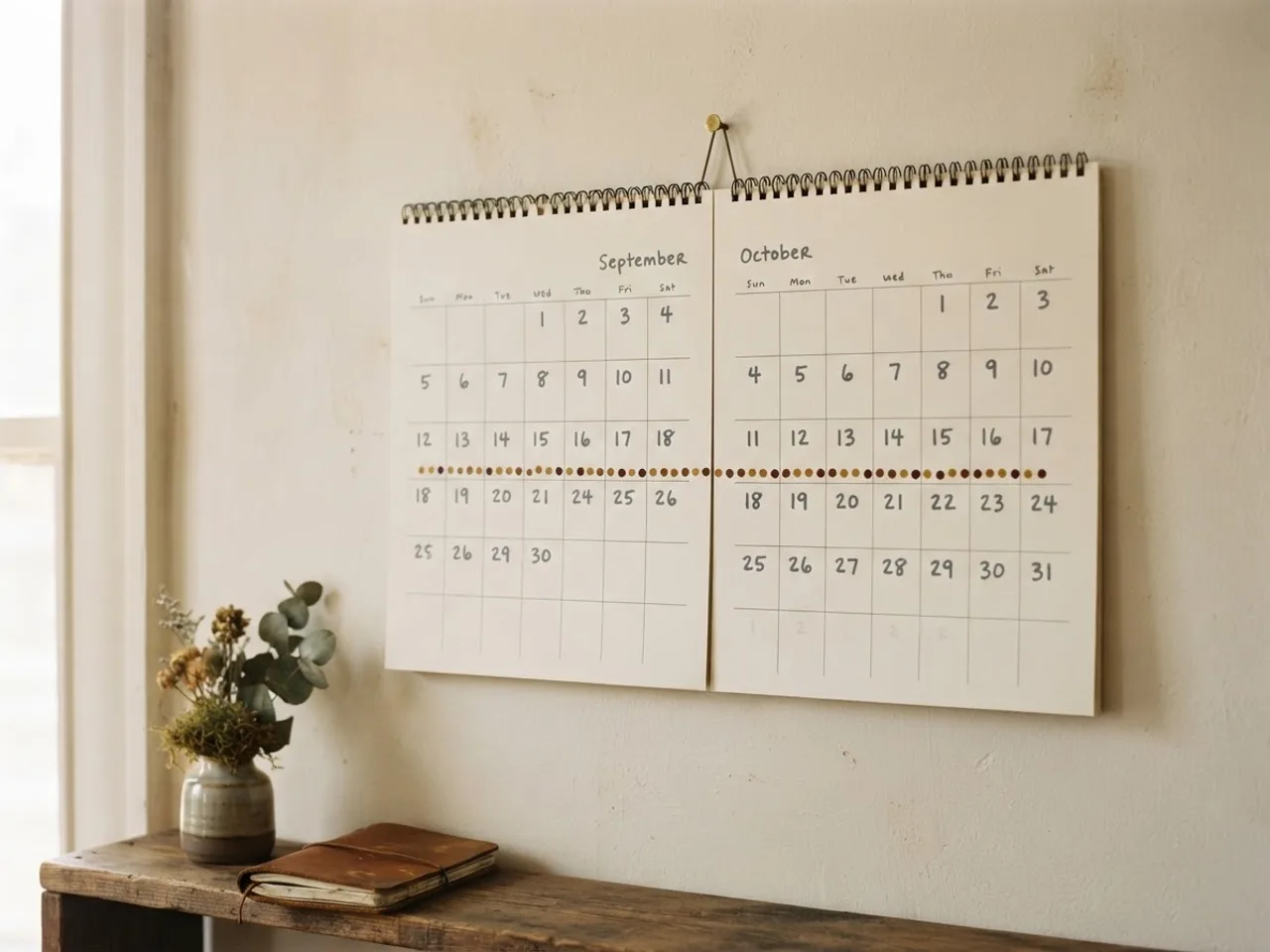
You need a place to mark each day, and it needs to be visible without effort. A printed sheet on the wall works for habits with a fixed location. For everything else, an app with a per-habit streak is easier because it is in your pocket at the moment the habit happens. Virtue shows a streak and a 365-day heatmap per habit, so the 66 days become a visible block of colour instead of a number you have to come back here to check.
Frequently asked questions
Where does 66 days come from?
A 2009 study by Phillippa Lally and colleagues at University College London followed 96 people building one new daily habit. The median time for the behaviour to feel automatic was 66 days. Individual results ranged from 18 to 254 days.
So the 21-day rule is wrong?
It is a misreading of a 1960 plastic surgeon's observation about patients adjusting to their new appearance in about three weeks. Nothing in the research on habits supports 21 days as a general number. Some simple habits do form that fast; most take longer.
What if I miss a day?
The same study found that missing a single day made no measurable difference to the final result. Missing several in a row did. The calculator does not reset when you miss a day, and neither should you.
Does the habit have to be daily?
The study measured daily habits. A habit you do three times a week accumulates repetitions three times slower, so expect the automatic feeling to take proportionally longer in calendar days.